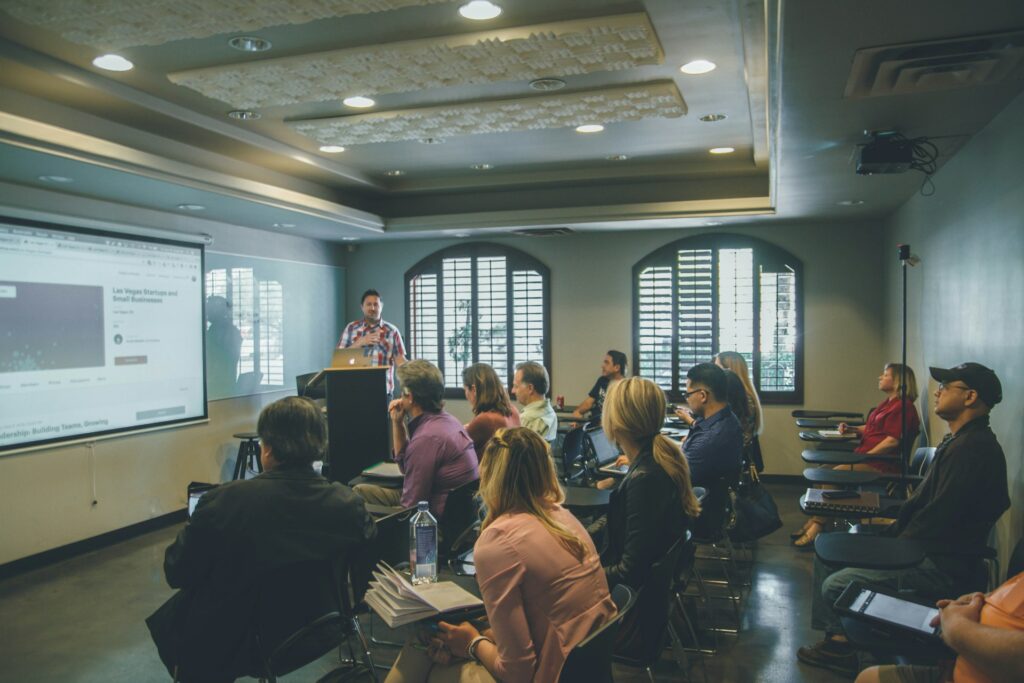
Training, Training, Training…
“The only thing worse than training your employees and having them leave is not training them and having them stay.”
An ERP system can be powerful. It can connect sales, purchasing, warehouse work, production, finance, HR, service, and reporting.
But software alone does not improve a business.
The real improvement begins when employees understand the new process, feel confident using the system, and know how their daily work fits into the wider company. Without proper training, even the best ERP can become another system that people avoid, misunderstand, or replace with private Excel files.
That is why ERP training is not a final step before go-live. It is one of the central parts of the implementation.
Training Is Not a Cost. It Is Protection for the Project.
Companies sometimes see training as something that takes employees away from their “real work.”
In reality, poor training is what creates extra work later.
Employees may enter data incorrectly. Orders may be delayed. Stock movements may not be recorded. Reports may become unreliable. The support team may receive the same basic questions every day. Managers may return to manual control because they do not trust the data in the system.
Good training prevents these problems before they begin.
It helps employees understand not only which buttons to click, but also why the process matters. A warehouse employee needs to understand that scanning goods correctly affects stock availability, deliveries, invoicing, and customer satisfaction. A salesperson needs to understand that keeping opportunities up to date affects planning, purchasing, production, and management decisions.
When people see the connection, they use the ERP with more care and confidence.
Start With a Clear Goal
Before training begins, the company should decide what it wants employees to achieve.
The goal should not be “everyone attended the training.” The goal should be that employees can complete their real work correctly in the new system.
A sales team should be able to create leads, manage customer records, prepare offers, follow up on opportunities, and confirm orders. Warehouse employees should be able to receive goods, move stock, pick orders, report differences, and prepare deliveries. Finance users should be able to manage invoices, payments, approvals, and reporting. Managers should be able to read the information they need to make decisions.
Clear goals make training more practical. They also make it easier to see where employees need more support.
Different Roles Need Different Training
One long presentation for the entire company is rarely enough.
People learn best when the training is connected to their own work. A warehouse employee does not need a deep lesson about HR processes. A manager does not need to learn every detail of warehouse scanning. An accountant does not need to memorize production screens they will never use.
Role-based training respects people’s time and helps them focus on the tasks that matter.
The most effective sessions use real examples from the company. Instead of working only with sample data, employees should practice with familiar products, customer types, purchase orders, warehouse locations, production scenarios, and reports.
This makes the ERP feel less like an unknown new system and more like a better way to manage the work they already know.
Combine Training Methods for Better Results
Different employees learn in different ways.
Some learn best when they can sit with an experienced consultant and ask questions. Others need time to repeat the process at their own pace. Some prefer written instructions or short videos they can review later.
A combination usually works best.
Live training gives employees direct guidance and the chance to discuss real questions. Online materials, process guides, short videos, and system documentation help employees refresh their knowledge after the session. A test environment allows them to practice before they work with real business data.
The most important thing is repetition. Employees should not be expected to remember everything after one afternoon of training. They need time to use the system, ask questions, make controlled mistakes, and build confidence.
Make Training Part of the Project Plan
Training should be planned early, not added at the end when everyone is already busy.
The company needs to consider when departments will be available, which processes must be ready first, how much time employees need to practice, and who will support them after go-live.
Managers must protect this time. If employees are expected to attend training while also handling every urgent task in their normal workload, they will not be able to focus. The result is rushed training and a difficult start.
A well-planned ERP project includes time for process explanation, practical training, testing, feedback, and reinforcement. This creates a smoother transition and reduces stress for the entire team.
Communication Helps People Accept Change
ERP training is also change management.
Employees may worry that the new system will be difficult, expose past mistakes, slow them down, or change their role. These concerns are normal and should be addressed openly.
The company should explain why it is implementing ERP, what problems it will solve, and what benefits employees can expect. They should understand that the goal is not to watch people more closely. The goal is to remove repeated work, make information easier to find, reduce errors, and help departments work together.
Good communication turns training from an obligation into an opportunity.
When employees understand that the system will help them do their work better, they are more likely to engage with it.
Support After Training Is Essential
The first real weeks after go-live are where training proves its value.
Employees will remember many things, but they will also face real situations that were not covered in every detail. A supplier may deliver the wrong quantity. A customer may change an order. A product may be missing from stock. An invoice may not match the purchase order.
This is normal.
What matters is that employees know where to ask for help. They should have access to internal key users, clear documentation, and support from the ERP implementation team when needed.
Regular follow-up also helps management identify where more training is required. If the same question appears repeatedly, the process may need clarification, the system may need adjustment, or users may benefit from a short refresher session.
Training is not a one-time event. It is part of building a stronger working culture.
SIX ERP Helps Your Team Move Forward With Confidence
SIX ERP implementation includes more than software setup.
Our team works with your company to understand the real process, configure the right workflows, prepare users for change, and train employees according to their roles. From sales and purchasing to warehouse, production, finance, HR, and management reporting, your team receives practical support for the work they need to do.
The goal is simple: your employees should not just have access to SIX ERP. They should know how to use it to make the business work better.
If you are planning an ERP project — or if your current system is not being used to its full potential — speak with the SIX ERP team. We can help you create the processes, training plan, and support structure that turn software into real business improvement.