
Revolutionizing Dairy Production: Efficiency, Quality, and Innovation Through Smart ERP Integration
“Just as every drop of milk matters in the production cycle, every data point in a smart factory shapes the future of dairy manufacturing — where precision and innovation meet consistency and quality.”
Dairy production is one of the most demanding areas of food manufacturing.
Milk is perishable. Raw-material quality can vary. Temperature control is critical. Hygiene cannot be optional. A small issue in receiving, pasteurisation, cleaning, packaging, or cold-chain delivery can affect quality, waste, customer trust, and legal compliance.
This is why dairy factories need more than machines and spreadsheets.
They need a connected system that can link raw-milk intake, laboratory checks, production planning, sensor data, warehouse stock, quality records, packaging, logistics, and finance. They need information that moves as quickly as the production line itself.
SIX ERP helps turn dairy production into a connected, traceable, data-driven process — from farm collection to final delivery.
Milk Begins Its Journey Before It Reaches the Factory
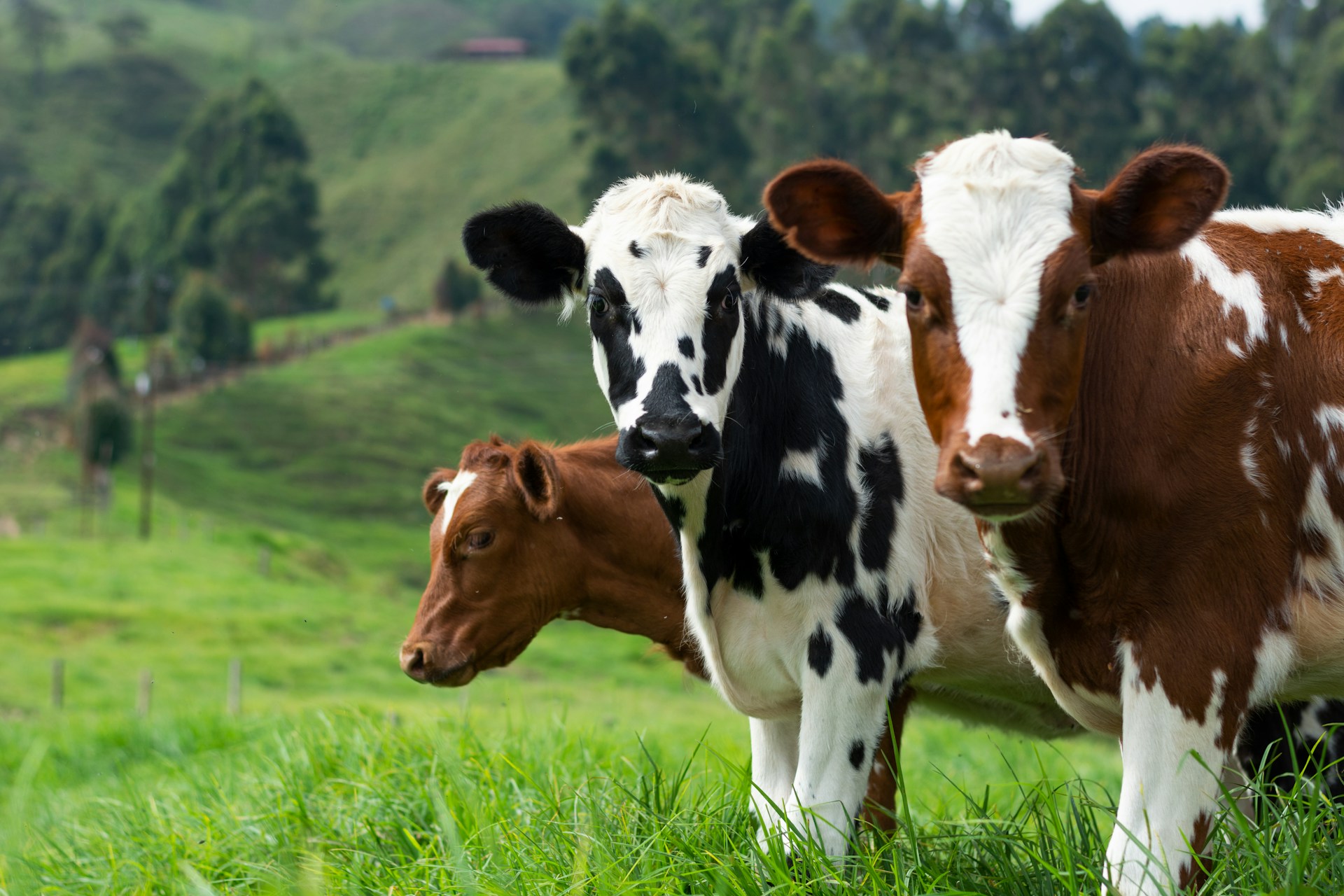
The production process starts at the dairy farm.
Raw milk must be collected, transported, received, tested, and stored under controlled conditions. At this stage, the factory needs reliable information about supplier, collection date, temperature, quantity, quality results, fat content, protein content, possible contaminants, and batch identification.
When the milk arrives, the ERP can connect receiving information with laboratory results, supplier records, purchase agreements, quality rules, and warehouse status.
If a batch does not meet the required standard, it can be placed into a controlled quality status rather than entering normal production automatically. If the batch is accepted, the system can link it to the production order and preserve its traceability throughout the rest of the process.
A dairy factory cannot control what it cannot trace.
Precision Processing Protects Quality
Dairy production depends on carefully controlled processing steps.
Depending on the product, milk may be separated, standardized, pasteurized, homogenized, fermented, cooled, mixed with additional ingredients, filled into containers, labelled, packed, and stored for delivery.
Each stage affects the final result.
Pasteurization is especially sensitive. The process must reach the correct time and temperature conditions to support food safety and product quality. Homogenization affects texture and prevents cream separation. Fermentation requires careful control for products such as yoghurt, cheese, sour cream, and other cultured dairy products.
Machines, sensors, Programmable Logic Controllers, known as PLCs, and SCADA systems can control these operational processes directly. SIX ERP can connect with the production environment to receive relevant data, record the production result, manage batch and quality information, and support planning and traceability.
It is important to understand the difference.
The factory control system manages the immediate machine action. The ERP provides the wider business context. It connects production with materials, orders, quality, warehouse stock, documents, costs, and management decisions.
Together, these systems create a smarter production environment.
Real-Time Information Makes Problems Visible Earlier
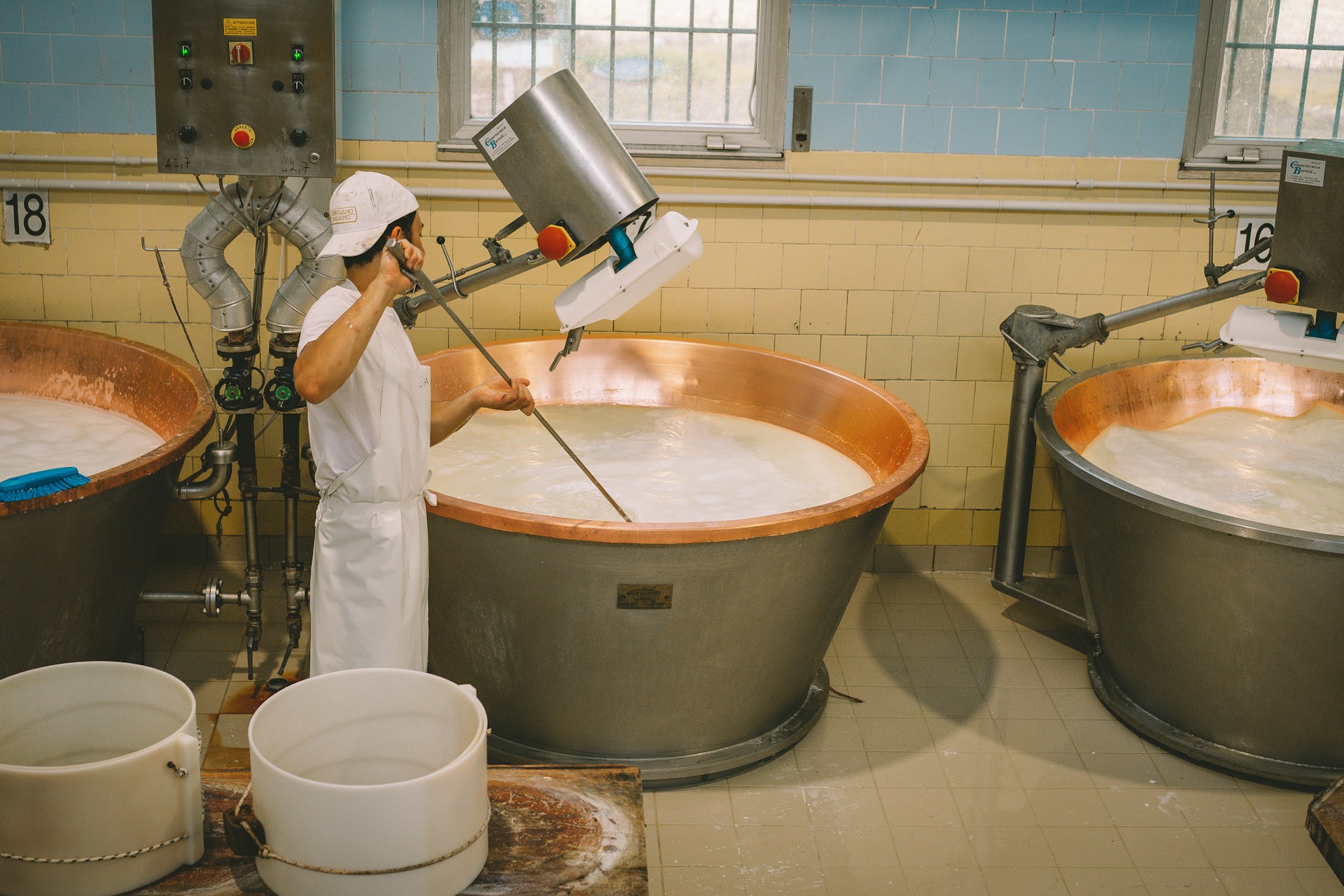
A modern dairy plant creates a large amount of information.
Temperature sensors can record storage and process conditions. Flow meters can measure liquid movement through pipelines. Scales can record ingredients and finished-product weights. Machine systems can report operating status, production speed, stoppages, and alarms. Laboratory systems can provide quality-test results.
When this information remains inside separate machines or local records, the company sees only part of the picture.
When relevant information is connected to the ERP, production managers can compare the plan with the actual result. They can see which batch was produced, which ingredients were used, how much material was consumed, whether there was waste, whether production was delayed, and where finished goods are stored.
This does not mean that every sensor alarm should create an automatic ERP decision. A reliable system needs clear rules.
For example, a serious deviation may require an immediate alarm for the production and quality team. A small deviation may require review and documentation. The ERP can record the event, link it to the batch, create a task, and help ensure the issue is investigated correctly.
Good information does not replace professional judgement. It helps the right people act faster.
Packaging Is Part of Quality Control
Packaging is not only the final visual step before a product reaches the customer.
In dairy production, packaging protects the product, supports shelf-life requirements, provides traceability information, and carries legal and commercial information such as batch codes, expiry dates, allergen details, and product labels.
A connected ERP process can link finished-product batches with packaging materials, production records, quality checks, and delivery information. It can help ensure that the right label, packaging format, and batch identification are used for the right product and customer.
If a packaging issue is identified, the company can review which production batches and customer deliveries may be affected. This is essential for fast, controlled recall management where required.
Traceability is not paperwork after production. It must be built into the process from the start.
Cold-Chain Control Continues Beyond the Factory
Milk and dairy products do not stop being sensitive once they leave the production line.
They must be stored, transported, and delivered under suitable conditions. The cold chain is part of product quality.
SIX ERP can connect production, warehouse, sales, and logistics information. It can show which finished-goods batches are available, where they are stored, which orders they are allocated to, and which deliveries are planned.
Where suitable technical solutions are available, temperature-monitoring devices and logistics platforms can provide additional transport and storage information. This can support faster action when a cold-chain problem occurs.
The ERP gives the company the wider business view: which customer orders are affected, which stock remains available, whether replacement production is needed, and how the issue should be documented.
Compliance Requires Reliable Records
Dairy manufacturing is subject to strict food-safety, quality, labelling, hygiene, and traceability requirements.
Frameworks such as HACCP and ISO 22000, together with national and customer-specific requirements, depend on reliable records. A company must be able to show what happened, when it happened, which batch was involved, who approved it, and what corrective action was taken if a problem occurred.
A connected ERP can support these processes by linking supplier information, raw-material receipts, quality checks, production orders, material consumption, batch records, cleaning documentation, finished-goods storage, deliveries, and customer information.
This does not replace quality managers, laboratory specialists, or food-safety experts. But it gives them a much stronger operational base.
Compliance becomes easier when accurate information is captured as part of normal work.
Sustainability Is Also an Efficiency Question
Dairy production requires careful use of energy, water, cleaning resources, packaging materials, and raw ingredients.
Pasteurization, cooling, refrigeration, cleaning-in-place processes, and packaging equipment can all consume significant resources. Waste may come from production loss, quality problems, overproduction, expired stock, inaccurate planning, or damaged packaging.
SIX ERP can help the business understand where these costs and losses occur. It can connect material consumption, production output, waste records, energy-related data where available, warehouse stock, and financial information.
This helps management ask useful questions.
Which products create the most waste? Which production line has the highest material variance? Which ingredients are being lost? Are we producing too much stock? Are products close to expiry? Are cleaning and maintenance activities being planned efficiently?
Sustainability becomes practical when it is measured, managed, and connected to daily decisions.
Building the Digital Model Before Go-Live
Before connecting a complex dairy production process to the ERP, SIX ERP begins with analysis and modelling.
The project team maps the real flow of materials and information. This includes raw-milk receiving, quality control, storage, recipe and bill-of-material requirements, production stages, work centers, packaging, finished-goods handling, warehouse movements, distribution, and reporting.
The team can then test the expected process with realistic scenarios.
What happens if a raw-milk delivery is rejected? What happens when production needs a material that is not available? How are products held after a quality deviation? How is a finished batch released for sale? What happens if packaging materials are delayed? How is an urgent customer order prioritized?
This preparation reduces surprises later. It does not eliminate every challenge, because real factories always create new situations. But it gives the company a more stable starting point.
Integration With Machines Must Be Designed Carefully
Dairy factories often use PLCs, SCADA systems, laboratory systems, industrial scales, sensors, temperature monitors, barcode equipment, and specialized production machinery.
Connecting these systems to ERP requires careful planning.
The business must decide which data should move into the ERP, how often it should update, who owns the data, and what should happen if information is missing or incorrect. It should not try to transfer every possible machine value without a clear reason.
For example, the ERP may need production quantities, batch numbers, material consumption, machine downtime summaries, quality statuses, and confirmed process results. The SCADA system may keep detailed second-by-second machine-control data. Each system should do the job it is designed to do.
A good integration makes the factory clearer. A poorly designed integration creates another source of confusion.
People Make the Smart Factory Work
Technology is only one part of a successful dairy factory.
Production operators understand how machines behave under real conditions. Quality teams understand the product requirements. Warehouse employees understand physical stock movement. Purchasing teams understand supplier realities. Finance teams understand the cost impact. Management understands the wider business goals.
SIX ERP implementation works best when these people are involved early.
Their feedback helps the system reflect the real factory rather than an idealized drawing. It also helps employees trust the new process because they have contributed to its design.
The goal is not to replace people with software. The goal is to give them better information, clearer workflows, and more time to focus on quality and improvement.
The Result: A More Responsive Dairy Business
A connected ERP environment gives dairy manufacturers more than a list of production orders.
It provides a live view of raw materials, quality results, production activity, packaging, finished-goods stock, customer orders, deliveries, costs, and operational performance.
This helps the company react earlier to quality issues, plan production more accurately, control stock, reduce waste, protect traceability, and serve customers more reliably.
It also creates a stronger base for growth. New product lines, new packaging formats, additional production capacity, new warehouses, and more complex customer requirements can be added to a structured system rather than managed through disconnected files and manual workarounds.
The result is a dairy factory that is not only automated, but informed.
Build Your Dairy Operation for the Future
Every dairy manufacturer faces different challenges.
You may need stronger batch traceability, better production planning, controlled recipe management, tighter warehouse processes, clearer quality records, less waste, more reliable cold-chain visibility, or better management reporting.
SIX ERP helps dairy and food manufacturers connect these processes into one practical business system.
Talk to the SIX ERP team about your dairy production process. Together, we can build the data flow, traceability, planning, and operational control needed to protect quality today and support growth tomorrow.